Crew size and phases
A framing crew of eight and a finishing crew of thirty are different orders. Tell us the peak, not just today's headcount.

Construction
Every trip off site to find a bathroom is paid time walking away from the work. Units placed near the crew, serviced on a fixed weekly run and moved as the build progresses keep that time on the job.
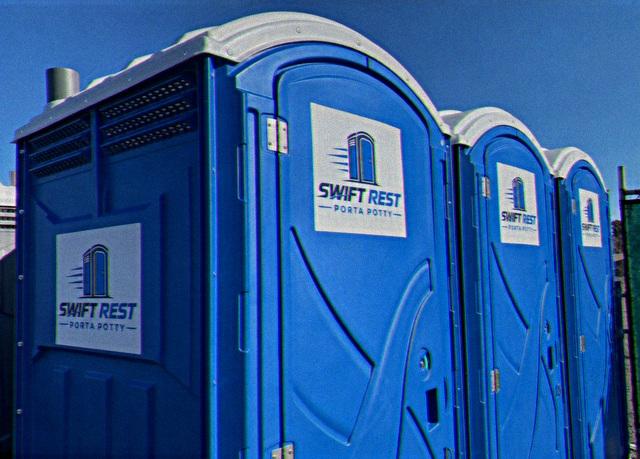
What you get
Everything worth knowing before you pick up the phone.
Planning
A framing crew of eight and a finishing crew of thirty are different orders. Tell us the peak, not just today's headcount.
Gates, locked hours, soft ground, fresh concrete and parked plant all affect the service run. Flag them once and we plan around them.
Many sites want handwash stations alongside the units. It is cheaper to add them at the start than to retrofit mid-job.
Placement
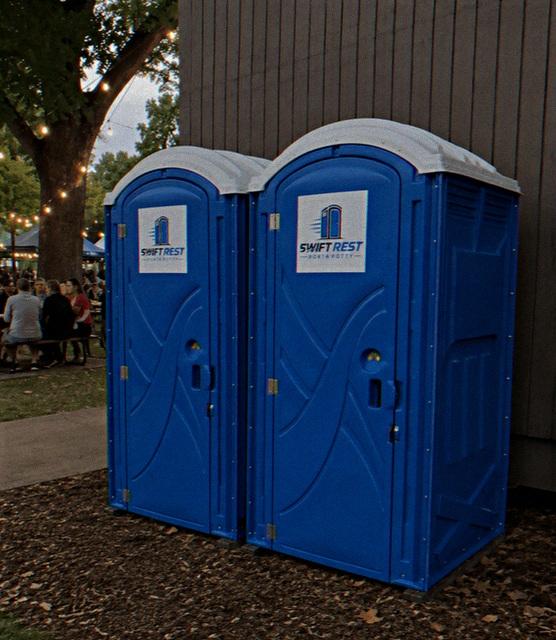
A unit parked at the far corner of the lot gets walked past. Put it within sight of where the crew is actually working and it does its job — and it gets moved when the work does.
Questions
A common working figure is one unit per ten workers on a standard week, adjusted up for larger crews, heat and long shifts. Give us your peak crew size and the shift pattern and we will put a number to it.
Yes, and for anything running more than a couple of weeks monthly terms cost less per day than repeated short rentals. The servicing is included in the monthly figure.
Yes. That is normal on a build. Tell the driver on a service visit or call ahead and we will reposition on the next run.
Tell us the access arrangement when you book — gate codes, open hours, who to call. Service runs work fine around locked sites as long as we know the arrangement in advance.
Give us the site address, the peak crew size and how long the job runs. We will price it monthly with the servicing built in.